


- 348 Views
- 5 Min Read
- (0) Comment
Nepal is a haven for trekkers and adventure seekers. Known for its rugged trails, snow-capped mountains, and serene valleys, the country offers some of the most iconic trekking routes in the world. Whether you’re a seasoned trekker or a beginner looking to embark on your first adventure, Nepal has something for everyone.
This guide will walk you through the most popular trekking routes, essential tips, and what you need to know before setting foot on the trails.
Why Trekking in Nepal?
Trekking in Nepal is an unparalleled experience. It’s not just about reaching your destination; it’s about the journey through remote villages, lush forests, and high-altitude landscapes. Along the way, you’ll encounter welcoming locals, ancient monasteries, and breathtaking views that will leave you in awe. Treks like the Everest Base Camp Trek and the Langtang Valley Trek are world-renowned for their beauty and cultural significance.
Popular Trekking Routes in Nepal
1. Everest Base Camp Trek (14 Days)
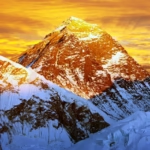
One of the most iconic treks in the world, the Everest Base Camp Trek offers close-up views of Mount Everest, the highest peak on Earth. Starting from Lukla, this trek takes you through charming Sherpa villages, suspension bridges, and high-altitude terrain. Highlights include the Tengboche Monastery, the Khumbu Glacier, and, of course, reaching the Everest Base Camp itself. This trek is ideal for experienced trekkers but can also be attempted by fit beginners with proper preparation.
2. Annapurna Circuit Trek (12-15 Days)
The Annapurna Circuit is often considered one of the best trekking routes in the world. This trail takes you through diverse landscapes, from lush subtropical forests to alpine meadows and barren high-altitude deserts. Crossing the Thorong La Pass at 5,416 meters is a highlight of the trek. Along the way, you’ll pass by traditional Gurung and Thakali villages, offering a glimpse into the local culture.
3. Langtang Valley Trek (8-10 Days)
The Langtang Valley Trek is a hidden gem for those seeking a quieter trail. Located close to Kathmandu, this trek is known for its stunning landscapes and rich Tamang culture. It’s a relatively easy trek that takes you through rhododendron forests, high-altitude pastures, and glacial valleys. Don’t miss the breathtaking views of Langtang Lirung and the chance to visit the sacred Gosaikunda Lake.
4. Gosaikunda Trek (7-9 Days)
The Gosaikunda Trek is perfect for those who want a spiritual experience combined with trekking. The trek leads to the sacred Gosaikunda Lake, a site of religious significance for Hindus and Buddhists. The trail offers mesmerizing views of the Himalayas, including Langtang and Ganesh peaks. The best time for this trek is during the Janai Purnima festival when pilgrims gather at the lake.
Essential Trekking Tips
1. Acclimatization is Key
Altitude sickness is a real concern when trekking in Nepal. Always listen to your body and take rest days to acclimatize. The rule of thumb is to climb high during the day and sleep low at night.
2. Pack Smart
Packing the right gear is crucial for a successful trek. Essentials include trekking boots, a warm sleeping bag, thermal layers, and a sturdy backpack. If you’re unsure what to pack, many trekking agencies provide detailed packing lists.
3. Hire a Guide and Porter
Hiring a licensed guide ensures you stay on the right trail and learn more about the region’s culture and history. Porters can help carry your gear, allowing you to focus on the trek. Many tour packages, like the Everest Base Camp Trek, include experienced guides and porters.
4. Get the Necessary Permits
Most trekking routes in Nepal require permits, such as the TIMS card (Trekkers’ Information Management System) and national park permits. Your trekking agency will usually handle these for you.
5. Stay Hydrated and Eat Well
Drink plenty of water to stay hydrated at high altitudes. Stick to hot, freshly cooked meals available at teahouses along the trail. Dal Bhat (rice, lentils, and vegetables) is a popular and energy-rich meal that will keep you going.
When to Trek in Nepal?
The best times to trek in Nepal are during the spring (March to May) and autumn (September to November). These months offer clear skies, pleasant temperatures, and stunning views of the mountains. Winter treks are also possible but require additional preparation due to cold temperatures.
Customize Your Trekking Adventure
Not all trekking adventures are the same. At The Sky Trips, we offer customizable trekking packages to suit your preferences. Whether you want a guided group trek to Everest Base Camp or a solo journey through Langtang Valley, we’ll ensure your experience is tailored to your needs.
Popular packages include:
- Everest Base Camp Trek: Perfect for adventure seekers who want to conquer one of the most iconic trekking routes in the world.
- Gosaikunda and Langtang Trek: Ideal for those who prefer serene trails and cultural immersion.
- Nepal Cultural Tour: A great combination of light trekking and cultural exploration.
What Makes Trekking in Nepal Special?
Trekking in Nepal is more than just a physical challenge. It’s a chance to disconnect from the chaos of daily life and immerse yourself in nature. The views of towering peaks, the sound of prayer flags fluttering in the wind, and the smiles of locals will stay with you long after the trek is over.
Why Choose The Sky Trips for Your Trekking Adventure?
At The Sky Trips, we specialize in creating memorable trekking experiences. From expert guides to comprehensive itineraries, we handle everything so you can focus on enjoying your journey. Our customizable packages ensure you get the most out of your adventure, whether it’s a challenging trek or a leisurely cultural experience.
Final Thoughts
Nepal is a trekker’s paradise, offering trails that cater to every level of fitness and experience. Whether you’re dreaming of standing at the base of Mount Everest or exploring the serene Langtang Valley, trekking in Nepal promises an adventure like no other. Start planning your trip today with The Sky Trips and make your trekking dreams a reality.



Leave a comment: